
Whisky Guides
Whisky Origins: Where Was It Invented?
In short: Whisky originated in Ireland and Scotland, with the earliest written records dating back to 1405 in Ireland and 1494 in Scotland. It evolved from distilled “aqua vitae” brought to the British Isles by monks, eventually becoming the global spirit we know today.
Whisky’s history stretches back centuries, shaped by monks, farmers and distillers who refined the process over generations. While its exact birthplace is still debated, its development is well documented — from early medicinal spirit to one of the world’s most recognised drinks.
This guide explores where whisky originated, when it was first recorded, and how it evolved into modern Scotch.
Where did whisky originate?
The origins of whisky are shared between Ireland and Scotland, both claiming to be the birthplace of this iconic spirit.
The name “whisky” comes from the Gaelic uisce beatha, meaning “water of life” — a reference to its early use as a medicinal spirit.
The first written references to whisky appear in:
– Ireland (1405): The earliest written record of whisky production appears in the Irish Annals of Clonmacnoise, noting the death of a chieftain due to excessive consumption of “aqua vitae.”
– Scotland (1494): In the Scottish Exchequer Rolls, there’s a record of “eight bolls of malt to Friar John Cor wherewith to make aqua vitae,” indicating whisky production in Scotland.
While these are the earliest records, distillation itself predates them. The technique likely spread to the British Isles via monks, who adapted methods learned from Mediterranean regions and applied them to local grains.
When was whisky invented?
Whisky wasn’t invented in a single moment — it developed gradually over time.
By the 15th century, both Ireland and Scotland were producing distilled spirits from grain. These early versions of whisky were quite different from what we drink today, often unaged and used for medicinal purposes.
Over the following centuries, improvements in distillation, cask ageing and regulation shaped whisky into a more refined spirit. Our guide to how Scotch is made explores the modern production journey in more detail.
How whisky evolved over time
From monasteries to homes
Initially, whisky was produced in monasteries for medicinal purposes. Monks utilised surplus grain to create a potent spirit believed to have healing properties. Following the dissolution of monasteries under King Henry VIII in the 16th century, distillation spread into homes and farms, becoming more widespread and less regulated.
Taxation and illicit distillation
In the 17th century, governments began taxing whisky production, leading to a surge in illicit distillation, especially in Scotland’s Highlands. Smuggling became rampant as distillers sought to avoid taxes, resulting in a cat-and-mouse game with excise officers.
The Excise Act of 1823 marked a turning point by legalising distillation for a fee, encouraging many illicit distillers to obtain licenses and operate openly.
Refinement through craft
As legal distilling became more common, whisky quality improved. Techniques evolved, cask aging became more consistent, and regional styles began to emerge.
Today, these foundations continue to shape how whisky is produced, from raw ingredients through to maturation.
The Glenlivet: pioneering legal whisky production
In 1824, George Smith made a bold move that would shape the future of Scotch whisky. At a time when illicit distillation was the norm across Speyside, he became the first in the region to obtain a legal licence to distill. It was a risky decision—one that set him apart from his neighbours—but it laid the foundation for a new era of transparency, craftsmanship and quality.
Smith’s whisky quickly earned a reputation for its smooth, fruit-forward character, inspiring widespread imitation. By the 1880s, the name “Glenlivet” had become so sought after that legal action was needed to protect its integrity. That legacy continues today. The Glenlivet isn’t just a distillery—it’s a benchmark. Its distinctive style helped define what would become known as the Speyside profile and remains an enduring symbol of innovation within tradition.
Come and see our whisky production for yourself with our award winning distillery tours. And find out more about the story behind The Glenlivet.
How whisky spread around the world
As whisky matured in its homelands of Scotland and Ireland, it also began to evolve across the world. Distillers in North America, Europe and Asia each brought their own perspectives and raw materials, creating new styles of whisky while building on traditional foundations.
In the United States, distillation knowledge merged with local grains and climate, giving rise to bold, barrel-forward expressions such as bourbon. Meanwhile in Japan, meticulous craftsmanship and a deep respect for nature shaped a refined style that has gained worldwide respect.
More recently, new whisky-making regions have emerged—from Scandinavia to Australia—each pushing boundaries and experimenting with ingredients, ageing methods and cask types.
Despite their differences, all of these styles share a common link: a commitment to precision, patience and quality.
Why whisky’s history still matters today
Whisky’s origins lie in humble, often illicit beginnings—but today it stands as one of the most respected spirits in the world. What started as a medicinal remedy in monasteries became a symbol of craftsmanship and innovation, thanks to generations of distillers who saw the potential to create something exceptional.
At The Glenlivet, that spirit of progress has never faded. What began with George Smith’s decision to distil legally in an era of secrecy sparked a shift in the industry—one that championed craft, clarity and confidence. That moment didn’t just mark the start of our story; it helped shape the future of scotch.
From centuries-old manuscripts to state-of-the-art distilleries, the story of whisky is still being written. And for those who enjoy a dram today, understanding its history only makes the experience more rewarding.
Learn more about our iconic golden spirit in our guides to how scotch is made and distilling whisky.
RECOMMENDED
FOR YOU

12 Year Old
Fruity, smooth and balanced.

18 Year Old
Indulgent, balanced and elegant.

21 Year Old
Refined, warm and intricate.

MORE
STORIES
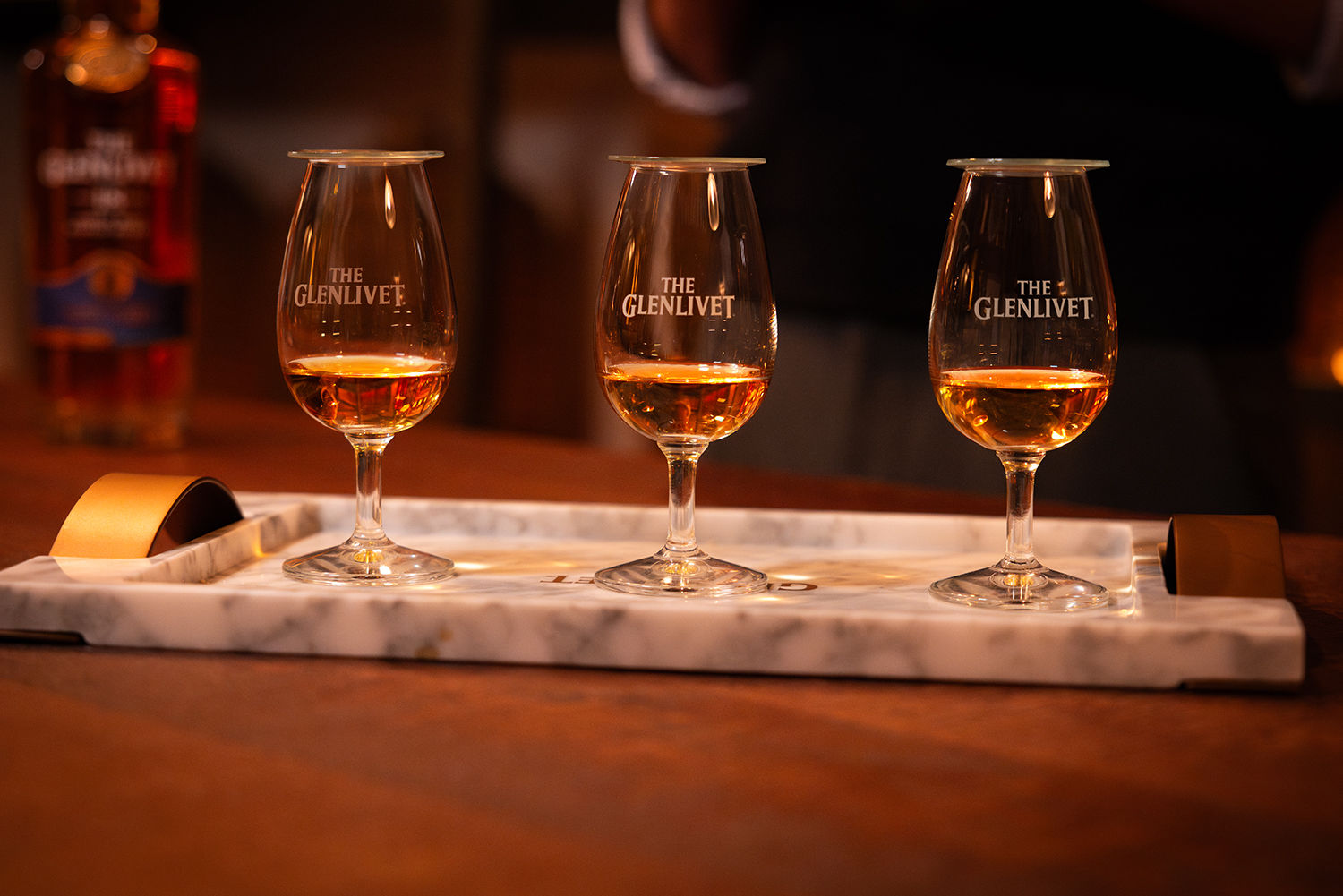
A journey through time: the history and origins of whisky

Whisky Guide

How to tour our award winning The Glenlivet Distillery